
A Guide for Dancers and Families
All About Pointe
Receiving pointe shoes is an exciting milestone—but the shoes are only the beginning. Pointe training is a gradual process of developing the strength, alignment, control and consistency required to dance confidently in them.
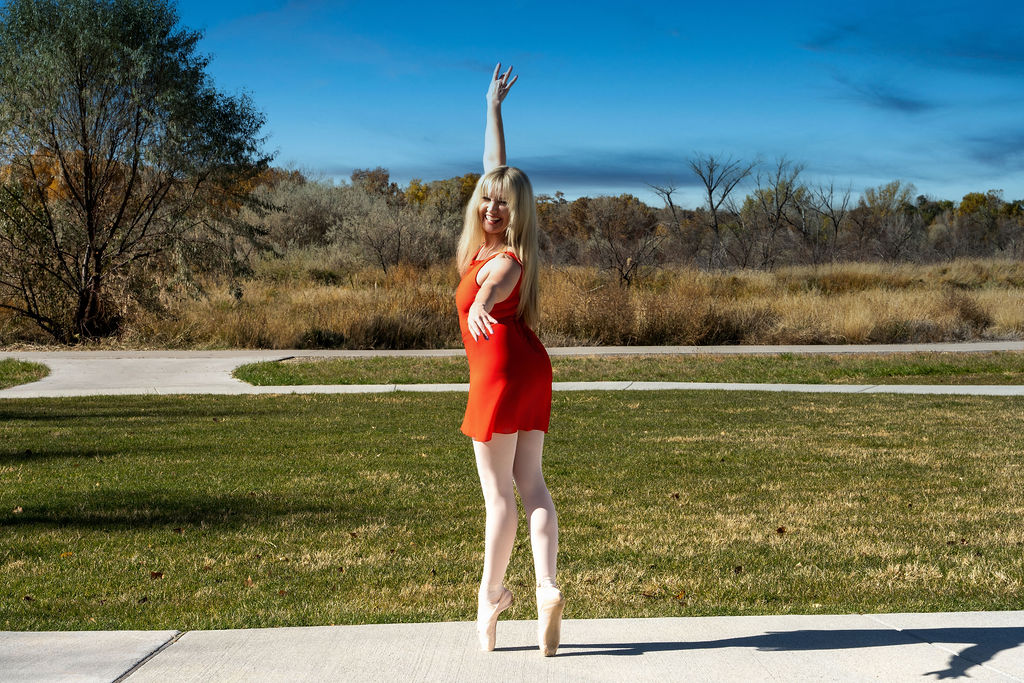
“Pointe is built one class at a time. The goal is not to rush into the shoes, but to grow strong enough to enjoy dancing in them for years to come.”
Weehawken Dance
Jump to a Pointe Topic
Pointe Is a Choice—Not a Requirement
There is no pressure to dance on pointe at Weehawken. Pointe can be a beautiful and rewarding part of ballet training, but it is not the only path to becoming a strong, successful dancer.
A dancer may choose not to pursue pointe, may decide to wait, or may work in ballet flats while continuing to develop strength and technique. That choice does not make them less committed, less talented or less valuable to our program.
Dancers who do not work on pointe may still audition for lead roles, participate fully in performances and find tremendous success throughout Weehawken’s dance program. Casting considers the needs of each role and production—including technique, artistry, musicality, performance quality, commitment and readiness—not simply whether a dancer owns pointe shoes.
What Does “On Pointe” Mean?
Being on pointe means performing on the tips of the toes while wearing specially constructed pointe shoes. Once a student has been fitted, approved and begins working in pointe shoes, they are considered on pointe—even though they may still be completing most of their work at the barre.
Pre-Pointe
Pre-pointe classes are completed in ballet flats. They focus on developing the strength, flexibility, alignment, foot preparation and technique needed before transitioning into pointe shoes.
Pre-pointe is not simply a waiting period. It is an important stage of pointe training.
Pointe
Pointe classes include work in pointe shoes and require additional ballet training. Students begin with controlled exercises at the barre and progress only as their strength, alignment and technique allow.
Pre-Pointe/Pointe Classes
Many classes on our schedule are labeled Pre-Pointe/Pointe. These classes support students at different stages of training. Some dancers may be preparing in ballet flats, some may have just received pointe shoes, and others may be completing more advanced pointe work.
Students in the same class should not expect to complete identical pointe exercises. Each dancer works at the stage approved by their instructor.
When Is a Dancer Ready?
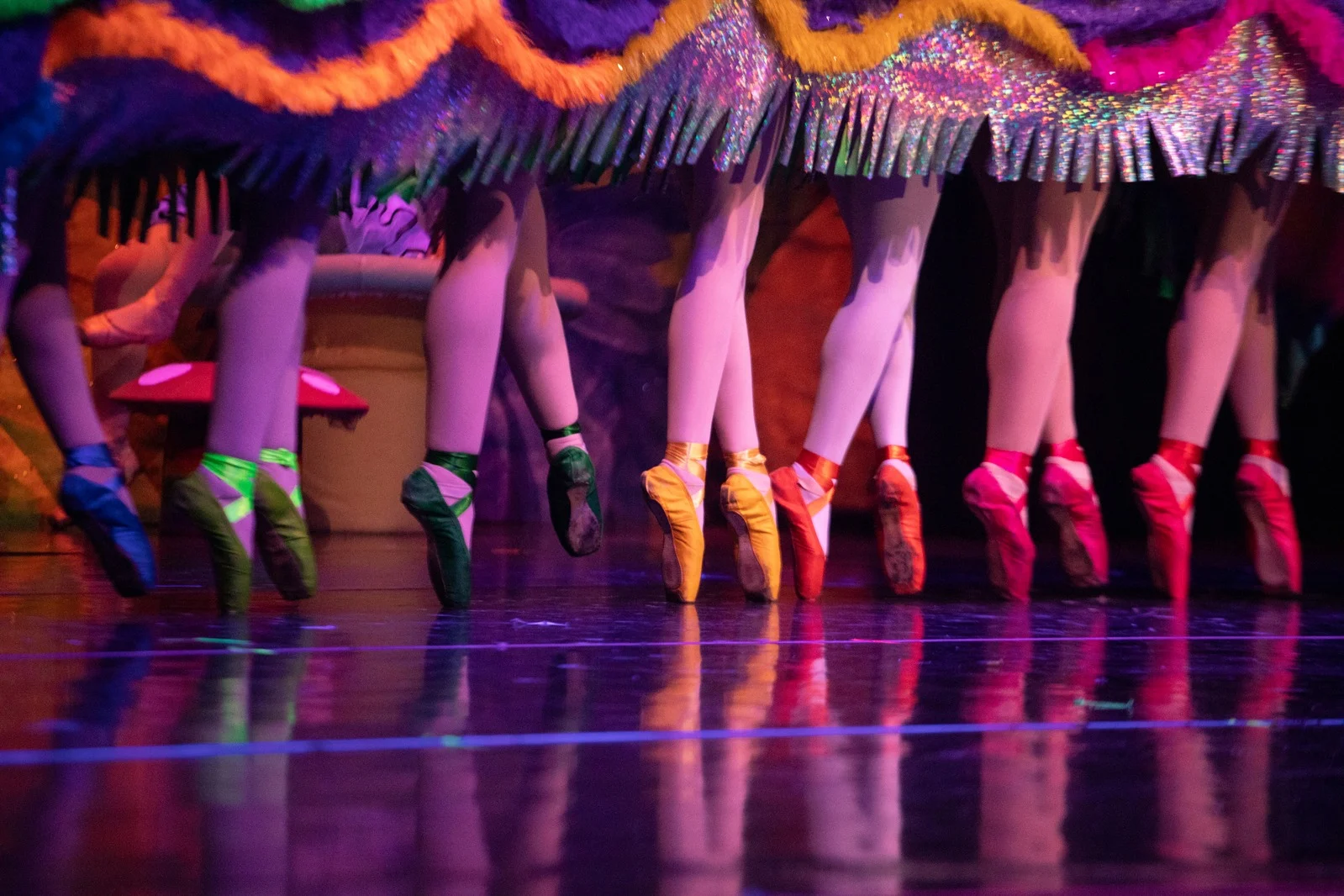
Pointe readiness is not determined by age, level, foot shape or desire alone. It is based on the whole dancer and requires individual instructor evaluation.
Strength and Control
- Core and pelvic stability
- Foot and ankle strength
- Strong, controlled relevés
- Balance and coordination
- Ability to maintain technique when tired
Alignment and Mobility
- Hip-knee-ankle-foot alignment
- Knees tracking correctly over the toes
- A stable, lifted pelvis and torso
- Sufficient foot and ankle mobility
- No sickling, rolling or collapsing into the shoes
Training Habits
- Consistent attendance
- Focus and maturity in class
- Strong foundational ballet technique
- Willingness to accept corrections
- Continued conditioning outside pointe exercises
Beautiful Arches Do Not Automatically Mean Readiness
Very flexible or highly arched feet can look naturally suited to pointe, but flexibility without strength can make it difficult to control alignment. Hypermobile dancers may need additional strengthening before beginning—or progressing in—pointe work.
Dancers with less flexible feet may also require additional preparation. Every foot is different, which is why readiness must be evaluated individually.
Instructor Approval Is Required
Under no circumstances may a student wear pointe shoes in class or participate in pointe exercises without prior approval from an authorized Weehawken pointe instructor. Please do not purchase pointe shoes before your dancer has been approved.
Beginning Pointe at Weehawken
Beginning at Age 11
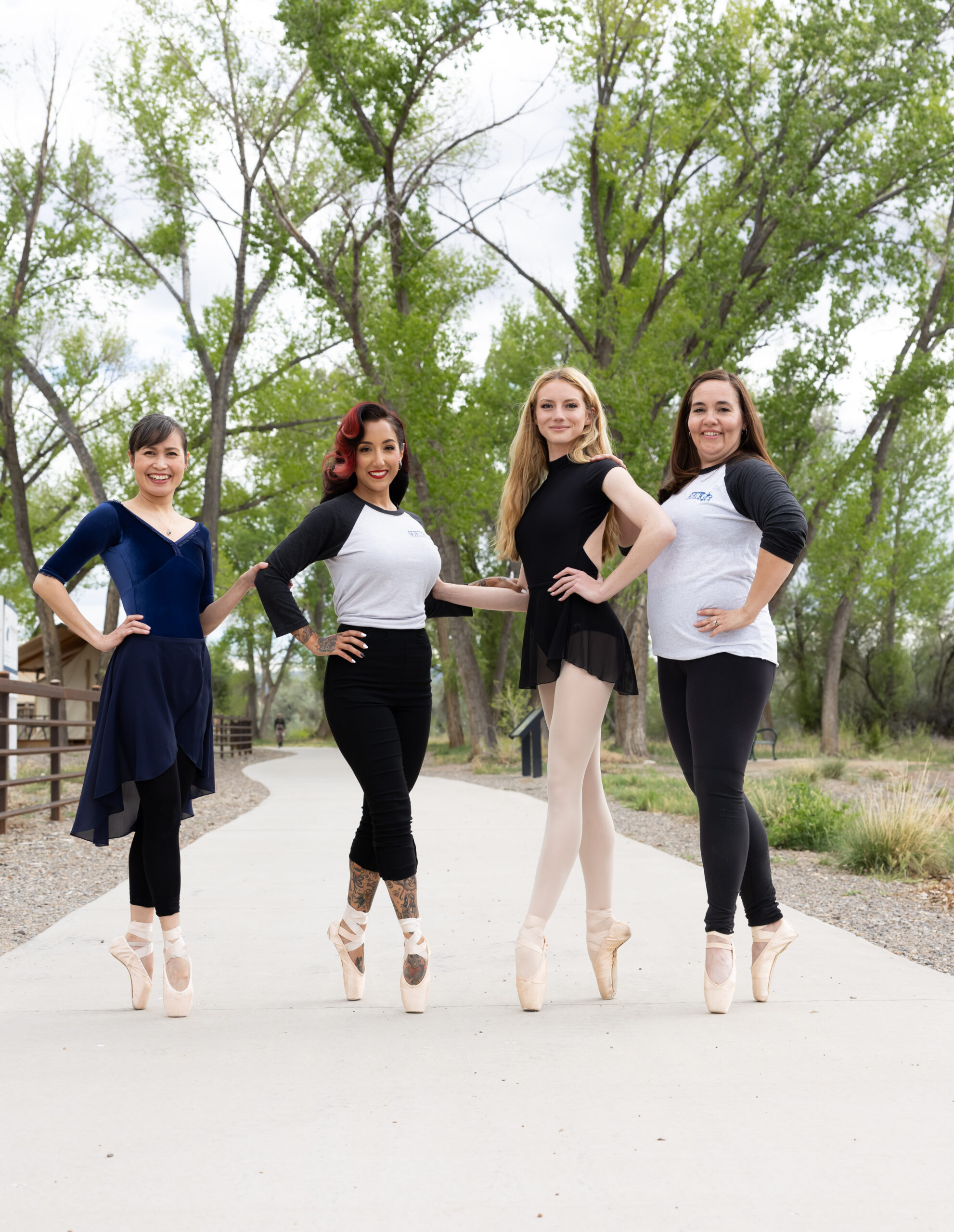
With instructor approval, some physically ready dancers may begin introductory pointe work at age 11.
At this stage, pointe work is completed at the barre. Dancers are preparing the feet and ankles, learning correct placement and gradually developing the strength needed for future pointe dancing.
They should not expect to begin center pointe work, turns or complete pointe choreography simply because they have received their first shoes.
Age Is Only One Factor
Turning 11 does not automatically qualify a dancer for pointe. Level, age and years of training help guide the evaluation, but the final decision is based on physical readiness, technique, attendance, maturity and instructor approval.
Some dancers will be ready earlier than others. Waiting does not mean that a dancer has failed or fallen behind.
Why Do We Begin Gradually?
We follow the principle of Wolff’s law: healthy bone adapts over time to the loads placed upon it. Pointe training therefore begins with carefully controlled, progressive loading—not with full pointe choreography.
Bones are only one part of the process. Muscles, tendons, coordination, balance and technical control also need time and consistent training to adapt. Doing more all at once does not make a dancer progress faster.
Want to Prepare for Pointe? Jump!
Jumping is an important part of ballet training—and one of the reasons dancers begin doing more structured allegro work as they progress through Level 2.
Jumping Helps Build Strong Bones
Jumping is a weight-bearing activity. The repeated, appropriately progressed impact of taking off and landing places healthy stress on the bones, encouraging them to adapt and become stronger.
Childhood and adolescence are especially important times for developing bone strength. Regular dancing, jumping and other weight-bearing activities can contribute to healthy bone development.
It Builds Pointe Skills Too
Ballet jumps also develop many of the physical skills dancers need for pointe:
- Foot and ankle strength
- Strong legs and calves
- Core and pelvic control
- Correct hip-knee-ankle-foot alignment
- Articulation through the feet
- Controlled takeoffs and landings
- Coordination and endurance
Jump Consistently—Not Excessively
More is not always better. Jumping should be taught progressively with correct alignment, appropriate flooring, proper footwear and adequate recovery.
Ballet class already includes thoughtfully sequenced jumping. Dancers interested in additional cross-training may also enjoy age-appropriate activities such as jumping rope, provided they are healthy, pain-free and using good technique.
During rapid growth, injury or periods of pain, jumping may need to be reduced or modified. Dancers should speak with their teacher rather than adding large amounts of unsupervised jumping all at once.
Consistency Is the Key
Pointe is a process. Strength is built through regular ballet training, gradually increased pointe work and enough time for the body to adapt.
Two Ballet Technique Classes Are Required
Once students begin working in pointe shoes, they must participate in at least two ballet technique classes each week in addition to their pointe work. No exceptions.
Attendance and Conditioning
Pointe requires consistent technique, strength and coordination. Students must arrive ready to dance, attend their required ballet classes and continue appropriate conditioning at home.
Students who miss too many classes or are not maintaining the necessary conditioning may be asked to stop participating in the pointe portion of class until they are ready to return.
Growth and Reassessment
Pointe readiness can change. Growth spurts, changes in strength, coordination, illness, injury or time away from training can affect a dancer’s control.
Instructors may adjust a dancer’s pointe work, return them temporarily to the barre or ask them to work in ballet flats while they rebuild strength.
Returning After Time Away
Students who did not dance during the previous semester or over the summer will not participate in the pointe portion of class at the beginning of the new semester.
After approximately one month of consistent ballet training, the instructor will evaluate whether the dancer is ready to return to pointe work.
Injuries and Pain
If a dancer is injured, they need to take a break from pointe. Their instructor will help determine when it is appropriate to return.
Dancers should report sharp pain, persistent pain, swelling, numbness, bruising or pain that changes how they dance. Do not try to dance through an injury.
Pointe and Performances
Receiving pointe shoes is exciting, and we want dancers to enjoy that accomplishment while continuing to progress carefully.
Beginning Pointe Students
By a dancer’s second semester of pointe, we hope to include a small amount of simple pointe work in the performance when the instructor feels the dancer is ready. This is not guaranteed and will look different for each student.
A beginning pointe dancer may:
- Perform a short, simple pointe section
- Wear pointe shoes but complete only selected movements on pointe
- Lower to flat or demi-pointe for more difficult movements
- Complete part of the choreography in ballet flats
- Receive an individually adjusted version of the choreography
Featured Pointe Roles
Beginning pointe does not mean a dancer is immediately ready for a featured pointe role. Large pointe roles require years of consistent ballet and pointe training.
Dancers must develop strong center work, control, stamina, artistry and dependable technique before being entrusted with advanced pointe choreography.
Wearing pointe shoes does not mean every movement must be performed fully on pointe. We want dancers to enjoy their shoes while continuing to work at an appropriate stage.
Pointe Progression
- Pre-pointe strengthening in ballet flats
- Introductory pointe exercises at the barre
- Simple center exercises with instructor approval
- Selected pointe movements in class and performances
- More complete pointe choreography
- Advanced or featured pointe roles after years of training
Ballet Helps Everything
Love aerial? Love lyrical? Love jazz? Take ballet.
Training That Transfers
Ballet develops alignment, balance, control, coordination and beautifully articulated feet. These skills transfer into dance, aerial and many other movement disciplines.
- Stronger lines and pointed toes in aerial
- Better extensions and transitions in lyrical
- More controlled turns and jumps in jazz
- Improved balance, placement and body awareness
- A more finished quality of movement in every style
Beautiful, Articulate Feet
Pointe does not change the feet a dancer was born with—it teaches the dancer to use them beautifully.
Learning to lengthen through the toes, articulate through the feet and control each transition can make a visible difference far beyond ballet.
Pointe makes the way dancers use their feet gorgeous—but that result comes from patient, consistent training.
Need Pointe Shoes? Know Before You Go
A first pair of pointe shoes should be fitted by an experienced pointe shoe fitter. Please do not order a dancer’s first pair online.
Receive Approval
Wait until an authorized Weehawken pointe instructor has approved the dancer to purchase shoes.
Schedule a Fitting
Make an appointment with an experienced pointe shoe fitter and expect the fitting to take at least one hour.
Schedule a Shoe Check
Before sewing or wearing the shoes, schedule a complimentary 15-minute pointe shoe check with a Weehawken pointe instructor.
Before You Sew Your Pointe Shoes
Please have your new pointe shoes checked by one of our ballet instructors before sewing on the ribbons or elastics.
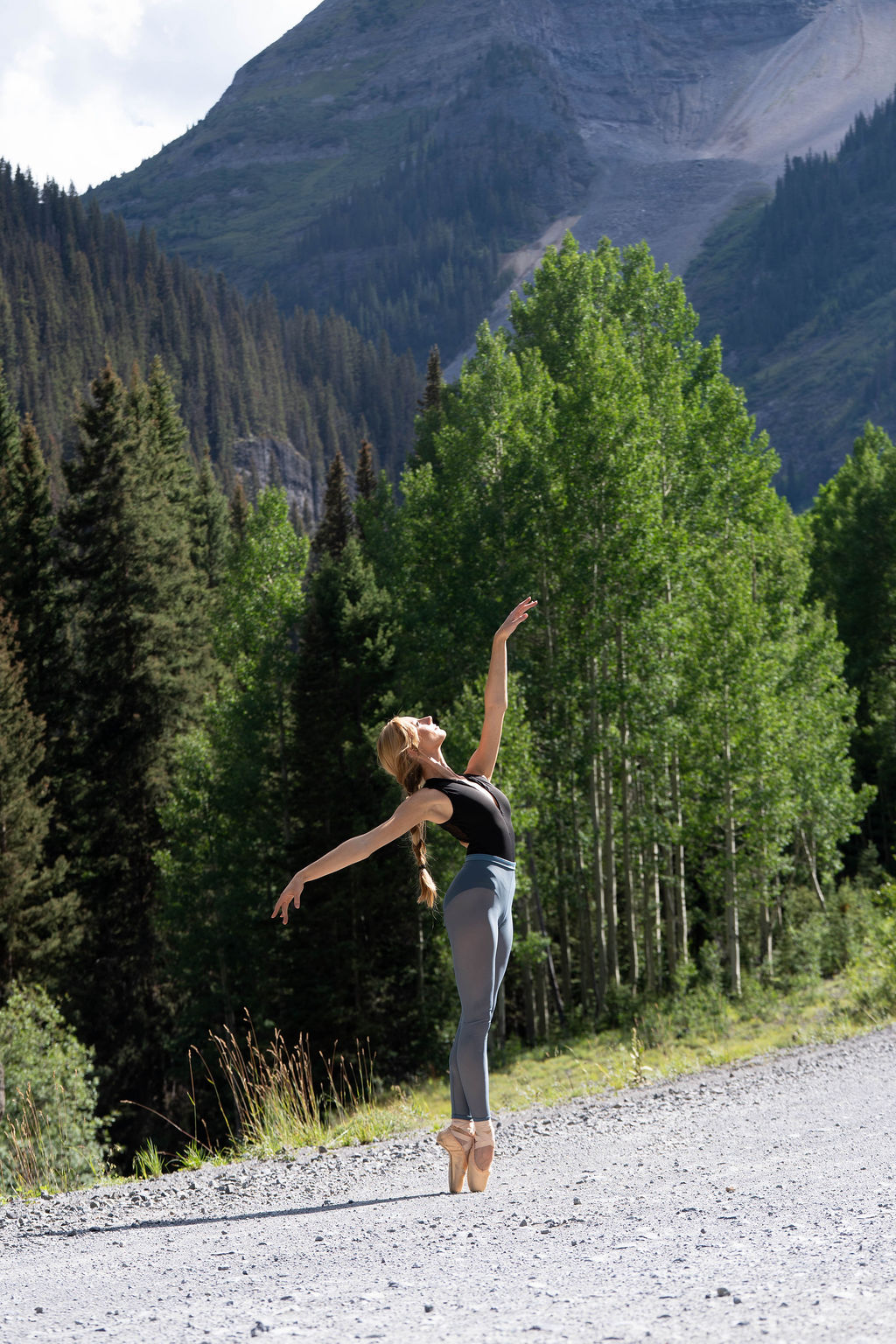
We offer complimentary 15-minute pointe shoe checks by appointment with Miss Pang, Miss Tajiana or Miss Natasha.
Bring your new pointe shoes, toe pads, and any other accessories you plan to wear with them. Do not sew or alter new pointe shoes until one of our instructors has checked the fit. Keep the original packaging and receipt in case the shoes need to be exchanged.
Contact your instructor directly to arrange a time.
Prepare for the Fitting
- Schedule an appointment and allow at least one hour.
- Wear a fitted leotard and convertible ballet tights.
- Purchase convertible tights beforehand if needed.
- Trim toenails before the appointment.
- Arrive with clean, prepared feet.
- Bring any toe spacers or padding the dancer already uses.
What a Fitting Should Accomplish
- The shoe should support the dancer without excessive movement.
- The toes should remain properly aligned inside the shoe.
- The dancer should be able to stand with correct alignment.
- The fitter should evaluate several models when possible.
- The shoes must still be approved by a Weehawken instructor.
Pressure Is Not the Same as Pain
Pointe shoes fit closely and may feel firm or unfamiliar, but dancers should not ignore sharp pain, severe pinching, numbness or pressure that forces the toes out of alignment.
Tell the fitter and the dancer’s instructor what the dancer feels. Do not assume pointe shoes are supposed to be unbearably painful.
Recommended Brands and Fitting Tips
Every dancer’s feet are different. These models may provide useful starting points, but no single brand or model is right for everyone:
- Nikolay/Grishko 2007 or ProFlex
- Virtisse Apogee, comparable to the Grishko 2007
- Bloch pointe shoe models
The correct shoe is the one that fits and supports the individual dancer—not the shoe worn by a friend, teacher or favorite professional. Pointe shoes should never be shared.
Pointe Shoe Fitting Locations
It is best to visit a well-stocked store where the dancer can be professionally fitted and try several shoes.
Denver Area
Dance Xtreme Dance Body Wear
6860 S. Clinton Street, Suite E Greenwood Village, CO 80112 303-708-1592 info@DanceExtremeBodywear.com Visit Website
Boulder Body Wear
2660 Canyon Boulevard, Suite A-1 Boulder, CO 80302 303-447-9100 877-239-9327 Visit Website
Assemble Dancewear
8800 S. Colorado Boulevard, Unit F Highlands Ranch, CO 80126 303-663-2066 Visit Website
Salt Lake Area
Pat’s Dancewear
105 S. Main Street Bountiful, UT 84010 801-292-7287
Grand Junction
Absolute Dance & Performing Arts
2460 Patterson Avenue, Suite 5 Grand Junction, CO 81505 970-255-8322 office@absolutedancegj.com
Additional Equipment You’ll Need
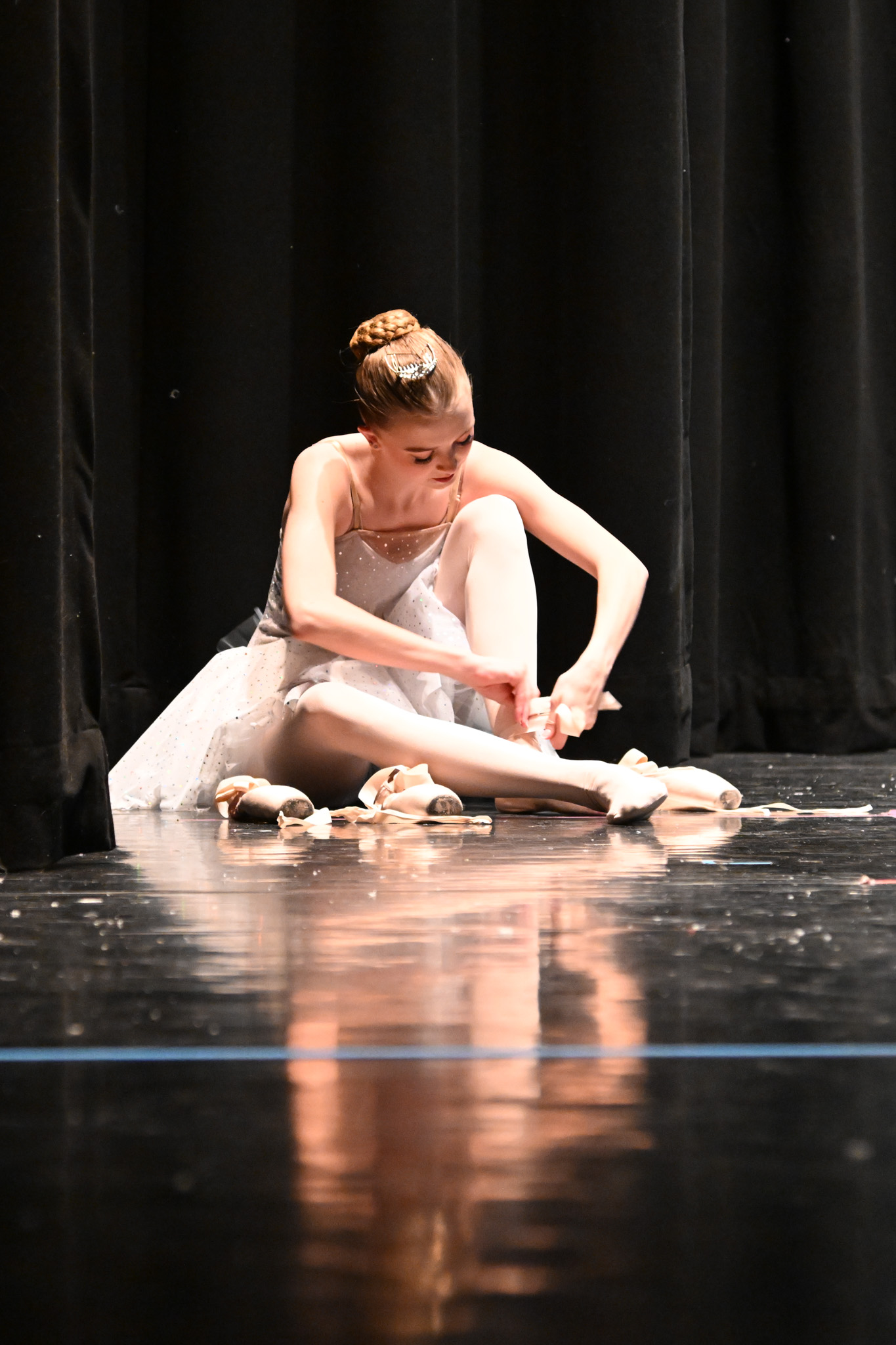
Pointe shoes require several small supplies for fit, comfort, sewing and maintenance. Your dancer’s teacher or fitter can help determine which items are appropriate.
More padding is not always better. Dancers need enough protection for comfort while still being able to feel and control the floor.
Padding
- Ouch Pouches or similar toe pads that are minimally thick so the dancer can still feel the floor
- Toe spacers, only when necessary
- Gummies or small gel padding for uncomfortable areas
- Toe tape or blister protection
Ribbons and Elastic
- Tendonitis ribbons with an elastic section at the back are preferred, although traditional ribbons are acceptable.
- Elastic may be thick or thin depending on the shoe and fit.
- If the fitter does not pin the ribbons and elastics, schedule a shoe check with Miss Pang, Miss Tajiana or Miss Natasha before sewing.
Sewing Kit
- Strong pointe shoe thread or dental floss
- Sturdy sewing needle
- Small scissors
- Extra ribbon and elastic
- Thimble, if helpful
Keep in the Pointe Bag
- Toenail clippers and nail file
- Toe tape
- Approved toe pads and spacers
- Blister protection
- Stitch kit and small scissors
- Extra ribbon and elastic
- A mesh bag for airing out shoes
Foot and Pointe Shoe Care
Care for the Feet
- Keep toenails short, smooth and cut straight across.
- Do not dance on an open or infected blister.
- Tell the instructor about persistent redness, swelling or pain.
- Do not use numbing products to hide pain while dancing.
- Seek qualified medical guidance for injuries or continuing concerns.
Care for the Shoes
- Remove toe pads from the shoes after class.
- Allow shoes and padding to dry completely between uses.
- Do not leave damp pointe shoes sealed inside a dance bag.
- Carry them in a breathable mesh bag when possible.
- Do not share pointe shoes.
- Ask the instructor before cutting, bending or treating shoes.
When Are Pointe Shoes “Dead”?
Pointe shoes wear out at different rates depending on the dancer, shoe, training frequency, climate and shoe care.
Signs that shoes may need replacement include:
- The box no longer supports the toes.
- The shank is too soft or has broken down unevenly.
- The dancer sinks farther into the shoe than before.
- The shoe no longer supports correct alignment.
- The platform has become unstable or distorted.
- The dancer experiences new pain or difficulty controlling the shoe.
Do not decide based only on appearance. Bring questionable shoes to the instructor for evaluation.

Dance Bag Essentials
Keep your dancer prepared for class, rehearsals and performances. Click the image or button to open the complete checklist.
Still Have Questions?
Pointe shoes and pointe progression are highly individual. Please ask your dancer’s ballet instructor before purchasing, sewing, altering or replacing shoes—and whenever you are unsure about your dancer’s next step.
Weehawken’s pointe policies are based on our curriculum, individualized instructor evaluation and our faculty’s training and certifications through organizations including the American Ballet Theatre National Training Curriculum and the Imperial Society of Teachers of Dancing.
Additional readiness information was informed by the International Association for Dance Medicine & Science Guidelines for Initiating Pointe Training .
Bone-development information was informed by the National Institute of Arthritis and Musculoskeletal and Skin Diseases .
Families may also review ABT’s guidance for dancers who are not yet working on pointe and ISTD’s guidance affirming that pointe is not required for audition .
This information is educational and is not a substitute for individualized medical advice.