
Explore Our Classes
Find a Style Your Dancer Will Love
Open the sections below to learn what students do in each class. You’ll find descriptions for ballet, jazz, hip hop, lyrical, tap, acro, aerial and more.
Not sure which level or style to choose? Review our Level Placement Guide or contact our team . We are happy to help.
Acro & Contemporary
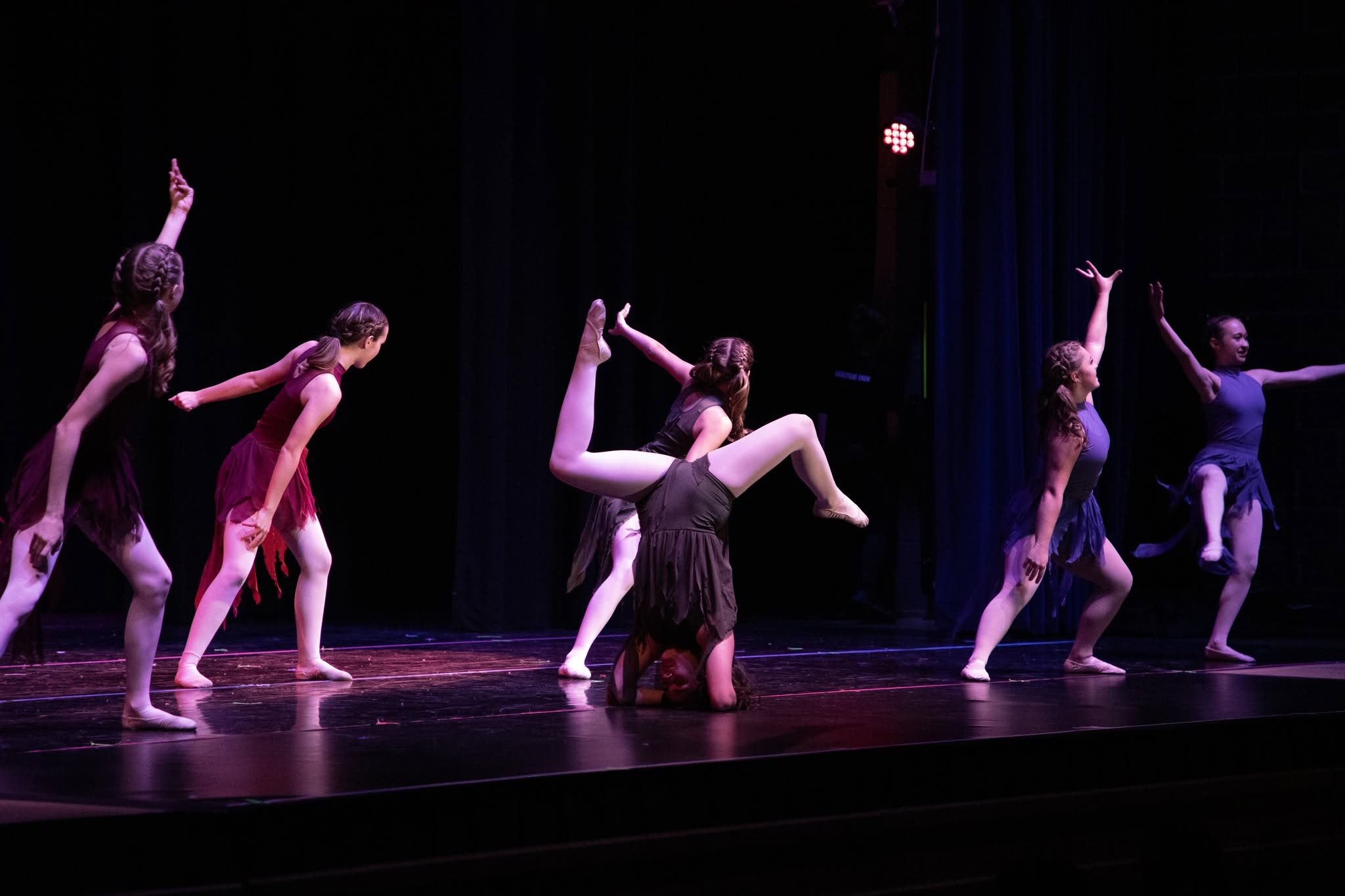
Acro & Contemporary combines dance technique with age-appropriate acrobatic skills. Students learn how to move smoothly between choreography, floor work, balances, inversions, tumbling and tricks.
Skills are taught through step-by-step progressions with an emphasis on strength, flexibility, alignment and control. This is a dance class—not gymnastics—and students learn how to incorporate acrobatic movement into expressive choreography.
Students may work on:
- Balance, flexibility and strength
- Floor work and weight shifts
- Inversions, rolls and tumbling progressions
- Partnering and supported skills
- Connecting tricks smoothly within choreography
What to wear: Form-fitting dance or athletic clothing that stays securely in place while dancers are upside down. Students participate barefoot, with hair secured away from the face. Jewelry and loose or baggy clothing are not permitted.
View the Acro Dress Code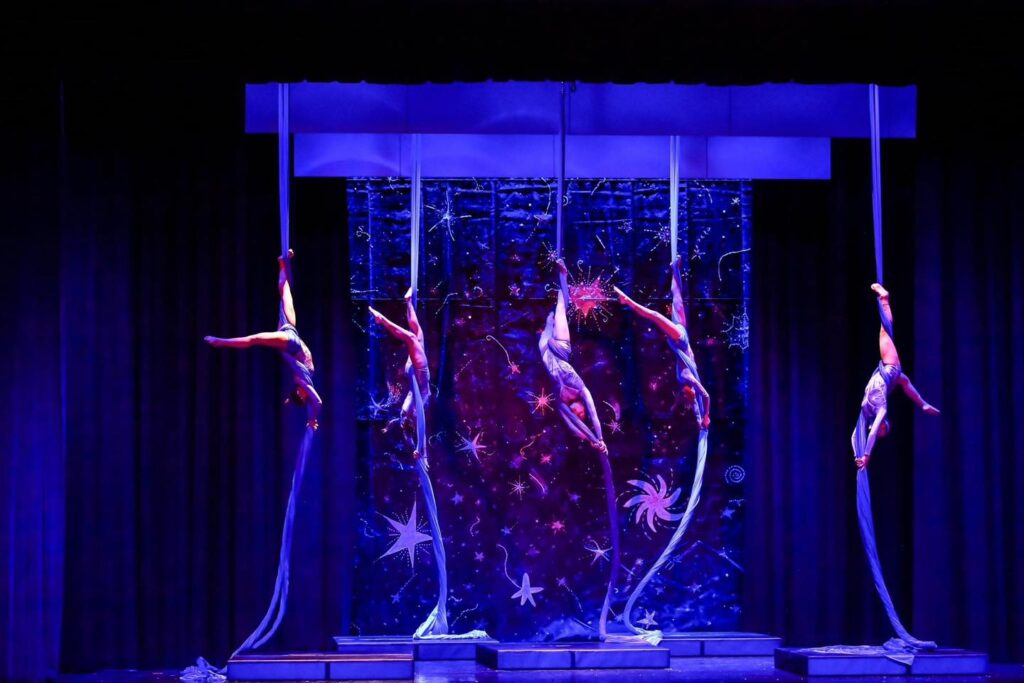
Aerial Silks & Lyra
Aerial combines strength, creativity and movement in the air. Students learn skills through carefully sequenced progressions while developing grip strength, coordination, flexibility, body awareness and confidence.
In aerial silks, students climb, wrap, balance and create shapes using suspended fabric. In lyra, students learn poses, transitions and combinations on a circular steel hoop. Some beginning classes introduce more than one apparatus, while other classes focus specifically on silks or lyra.
Aerial training may include:
- Climbs, wraps, shapes and transitions
- Strength, flexibility and active mobility
- Grip, core and shoulder conditioning
- Aerial vocabulary and body awareness
- Creative combinations and performance skills
Students are placed by age, prior experience, physical readiness and instructor recommendation. Families new to aerial should begin with an introductory or beginning-level class unless an instructor recommends otherwise.
Ballet at Weehawken
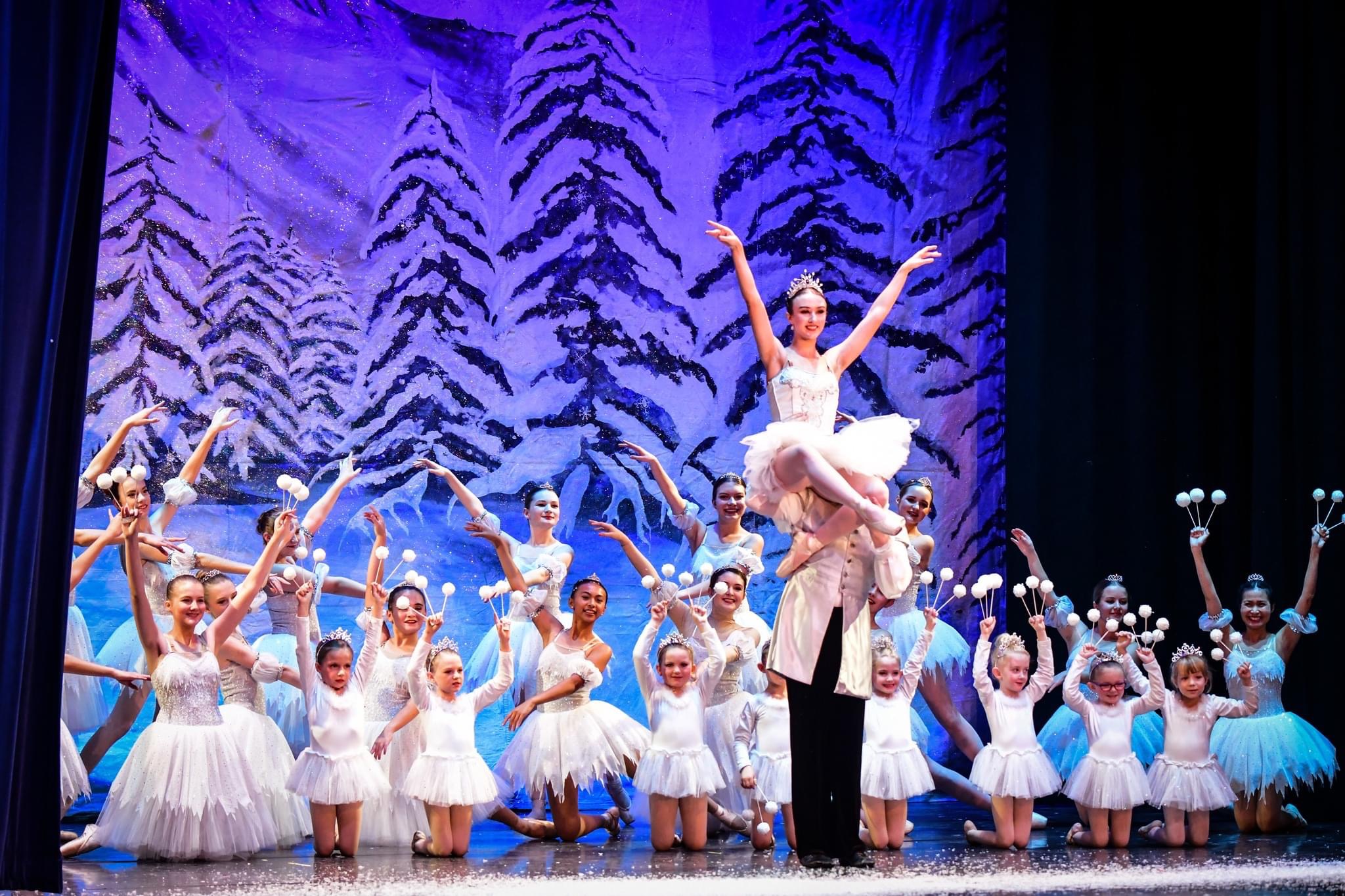
Ballet builds the technical foundation that supports nearly every other dance style. Students develop alignment, coordination, strength, flexibility, musicality and artistry through age-appropriate classical training.
Beginning dancers learn ballet vocabulary, classroom structure and basic movement patterns. As students progress, classes become more technically detailed and include increasingly complex barre work, center exercises, turns, jumps, traveling steps and performance skills.
Ballet training develops:
- Strong classical technique and vocabulary
- Healthy alignment and body awareness
- Strength, balance, control and coordination
- Musicality, artistry and performance quality
- Consistency, discipline and confidence
Internationally Recognized Training
Weehawken incorporates principles from the American Ballet Theatre® National Training Curriculum, an eight-level curriculum informed by classical ballet training, dancer health and child development.
- Natasha Pyeatte is an ABT® Certified Teacher who completed the ABT Teacher Training Intensives in Primary through Level 7.
- Tajiana Rueschhoff is an ABT® Certified Teacher who completed the ABT Teacher Training Intensives through Level 3.
Pang Cooper holds the Fellowship in Imperial Classical Ballet through the Imperial Society of Teachers of Dancing (ISTD). Our faculty combines these respected approaches with extensive teaching and performance experience.
Ballet classes are offered from early childhood through advanced levels. Placement is based on age, prior training, technical readiness and instructor recommendation. Pointe is an optional part of advanced ballet training and requires a separate readiness evaluation.

Hip Hop at Weehawken
Hip hop is an energetic, rhythmic dance style rooted in social and street dance traditions. Students build coordination, musicality, confidence and individual expression while learning age-appropriate choreography and authentic hip hop foundations.
Beginning classes introduce rhythm, grooves, isolations, basic footwork and classroom vocabulary. As dancers progress, they work with more detailed choreography, freestyle, dynamics, musical interpretation and styles such as breaking, popping, locking and waving.
Hip hop training may include:
- Grooves, rhythm and musicality
- Footwork, isolations and foundational vocabulary
- Strength, control and dynamic movement
- Choreography, freestyle and creative expression
- Hip hop history, culture and respect for the art form
Classes are available from Pre & Primary through advanced levels. Placement is based on age, experience and instructor recommendation. Teen beginner options are also available for older students who are new to hip hop.
What to wear: Comfortable athletic clothing and clean, black, flat-bottomed sneakers reserved for dance class. Hair should be secured away from the face. Hats are encouraged!
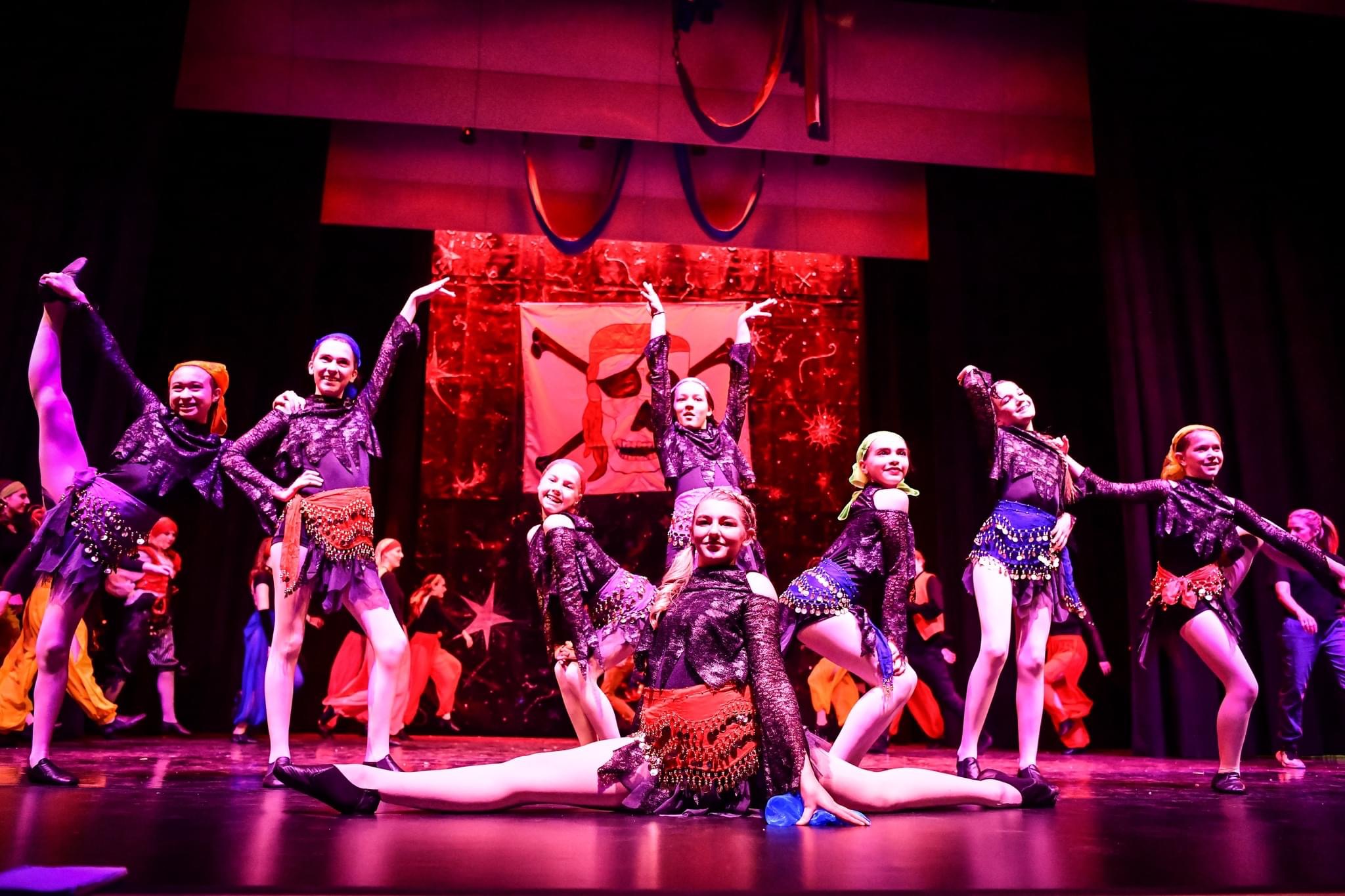
Jazz at Weehawken
Jazz is an energetic and expressive dance style that combines strong technique with rhythm, personality and performance. Students explore influences from Broadway, Fosse, Luigi-style jazz, traditional jazz and contemporary movement.
Classes include structured warmups, strength and flexibility exercises, isolations, turns, leaps, traveling progressions and choreography. Students learn to perform movement with clarity, musicality, confidence and individual style.
Jazz training may include:
- Jazz technique, vocabulary and alignment
- Turns, leaps, kicks and traveling progressions
- Strength, flexibility and coordination
- Rhythm, musicality and dynamic movement
- Choreography, expression and performance quality
Beginning students build foundational skills, while experienced dancers work with more complex combinations, faster transitions and greater technical and performance expectations. Ballet training is strongly encouraged because it supports the alignment, strength and control used in jazz.
What to wear: Dancewear or comfortable athletic clothing that allows instructors to see alignment and movement. No jeans. Students should have black jazz shoes in any brand or style, with hair secured away from the face.

Jazz/Tap at Weehawken
Jazz/Tap introduces young dancers to two complementary styles in one engaging class. Students explore the expressive movement and energy of jazz along with the rhythm, musicality and sound of tap.
Classes include age-appropriate warmups, basic jazz technique, tap vocabulary, traveling steps and simple choreography. Students develop coordination, balance, listening skills and confidence while discovering how movement and music work together.
Students may work on:
- Basic jazz positions, steps and traveling movement
- Beginning tap sounds and vocabulary
- Rhythm, timing and musicality
- Balance, coordination and body awareness
- Simple combinations and performance skills
Jazz/Tap is a wonderful choice for younger dancers who want to explore more than one style before moving into separate jazz and tap classes at higher levels.
What to wear: Dancewear or comfortable athletic clothing. No jeans. Students need black jazz shoes and black tap shoes in any brand or style. Weehawken has a limited supply of used tap shoes that students may borrow for the semester when an appropriate size is available.
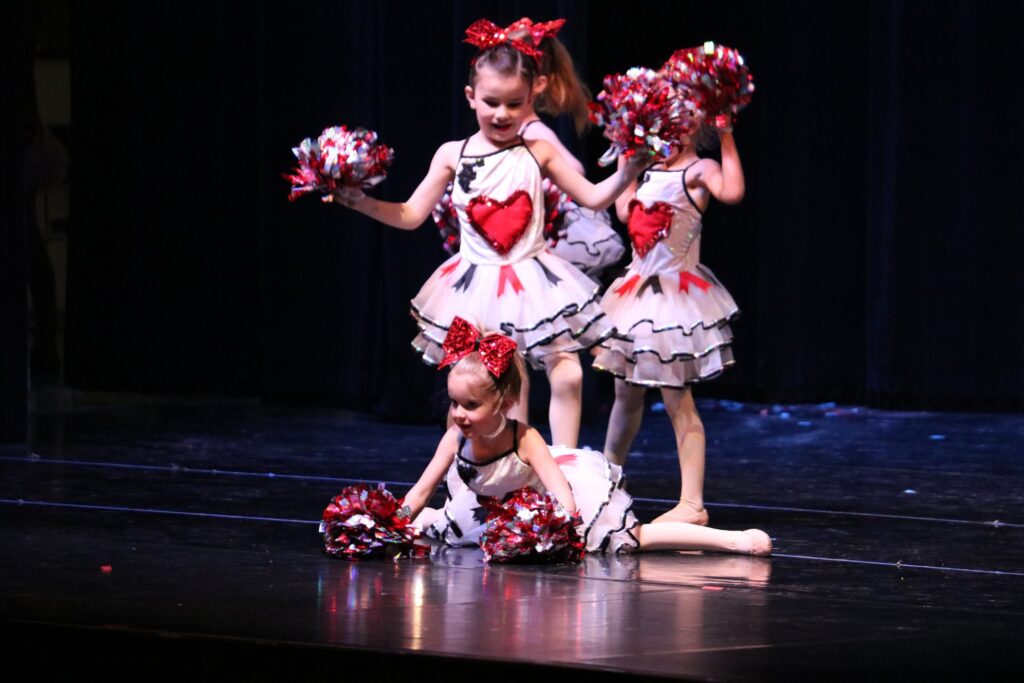
Jazz/Poms at Weehawken
Jazz/Poms combines jazz technique with the sharp, energetic performance style commonly seen on dance teams. Students learn to dance with strength, precision, musicality and enthusiasm while incorporating pom poms into choreography.
Classes may include jazz warmups, isolations, turns, jumps, leaps, kick-lines, formations and a touch of hip hop. Dancers practice making movements clean and synchronized while developing confidence, teamwork and stage presence.
Jazz/Poms training may include:
- Jazz technique and dance-team vocabulary
- Sharp arm movements and clean lines
- Turns, jumps, leaps and kick-lines
- Timing, formations and synchronization
- Energy, confidence and performance quality
No cheerleading or pom experience is required unless a particular class listing states otherwise. Pom poms are provided for students to use during class and performances.
What to wear: Dancewear or comfortable athletic clothing that allows for movement. No jeans. Students need black jazz shoes in any brand or style, with hair secured away from the face.
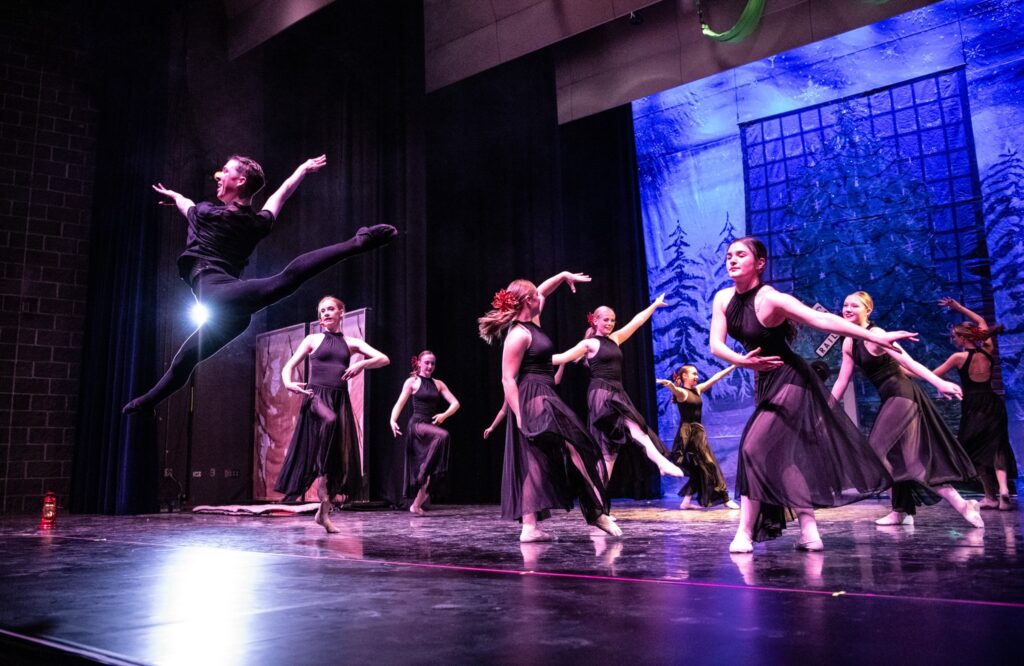
Lyrical at Weehawken
Lyrical dance combines technical movement with emotion, musical interpretation and storytelling. Drawing from ballet, jazz, contemporary and modern dance, lyrical allows dancers to explore how movement can communicate the meaning, mood or story of a piece of music.
Classes include technique, floor work, transitions, turns, leaps, improvisation and choreography. Students learn to move with control and fluidity while developing their own artistic voice and connection to the music.
Lyrical training may include:
- Fluid transitions and expressive movement
- Turns, leaps, extensions and floor work
- Strength, flexibility and body control
- Musical interpretation and storytelling
- Improvisation, artistry and performance quality
Lyrical dancers benefit greatly from ballet training. Ballet develops the alignment, strength, feet, lines and control that help dancers progress in lyrical technique. Some higher-level lyrical classes require prior dance experience or concurrent enrollment in ballet.
What to wear: Dancewear or fitted athletic clothing that allows for full movement. No jeans. Students should plan to dance barefoot during the first class. The instructor will recommend appropriate footwear if the class or choreography requires it.
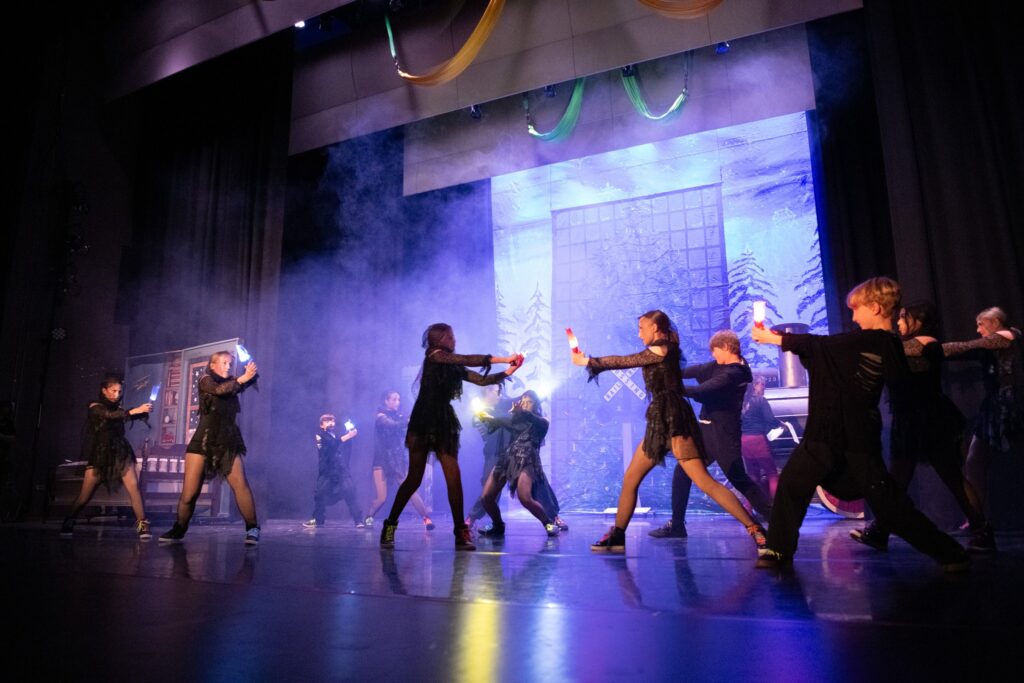
Lyrical Hip Hop at Weehawken
Lyrical Hip Hop combines the rhythm, grooves and foundational movement of hip hop with emotional storytelling and contemporary-inspired movement. Students learn to connect choreography to the lyrics, mood and meaning of the music.
Classes explore both powerful and fluid movement, giving dancers space to work with dynamics, musical interpretation and individual expression. Choreography may incorporate popping, waving, grooves, floor work, freestyle and contemporary or jazz-influenced movement.
Lyrical Hip Hop training may include:
- Hip hop grooves, foundations and musicality
- Popping, waving and dynamic movement
- Emotional storytelling and interpretation
- Floor work, transitions and improvisation
- Performance quality and individual expression
Lyrical Hip Hop is generally an add-on class, not a replacement for regular hip hop training. Students must have a foundation in hip hop and may be required to enroll concurrently in the corresponding Level 3, 4, 5 or 6 hip hop class. Check the individual class listing for requirements.
What to wear: Comfortable athletic clothing, pants that cover the knees and clean, black, flat-bottomed sneakers reserved for dance class. No jeans, skirts, spaghetti straps or exposed midriffs. Hair should be secured away from the face. Hats are encouraged!
Pointe at Weehawken
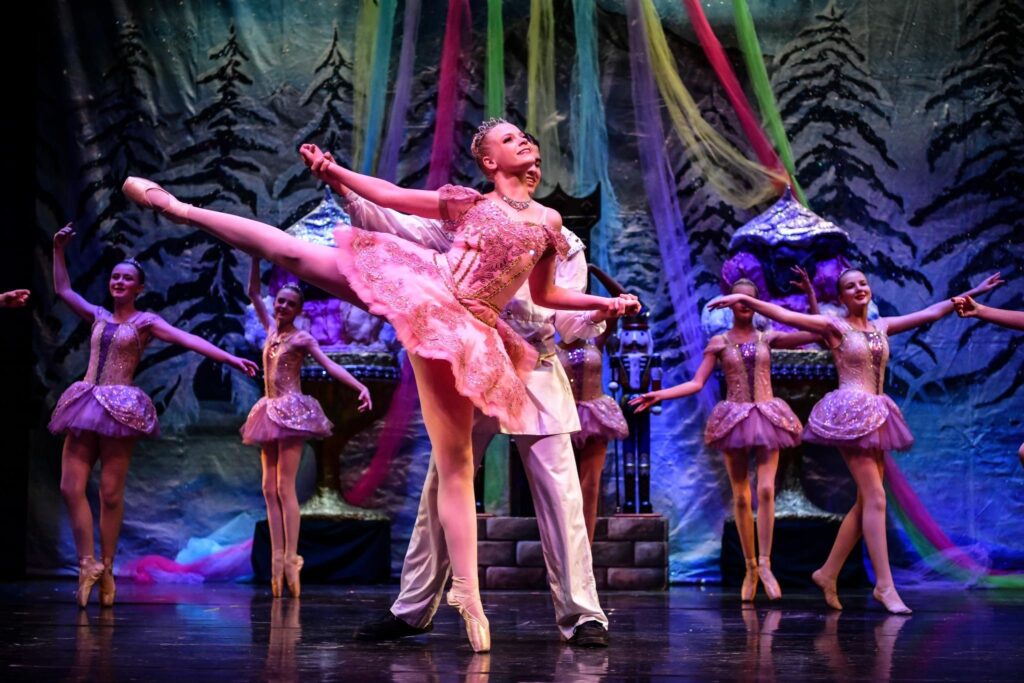
Pointe is an optional extension of advanced ballet training. It can be a beautiful and rewarding experience, but there is no pressure to dance en pointe. Students who choose not to pursue pointe can continue progressing, performing and auditioning for featured and lead roles at Weehawken.
Pointe readiness is based on age, physical development, ballet training, strength, alignment, consistency and instructor evaluation—not simply a dancer’s desire to receive pointe shoes. Pre-pointe exercises prepare the feet, ankles, legs and core before a student begins working in pointe shoes.
What beginning pointe looks like:
- Pointe shoes begin no earlier than age 11 and require approval
- New pointe students initially work at the barre
- Training begins with basic placement, rises and foot articulation
- Strength and time in the shoes increase gradually
- Students continue taking regular ballet alongside pointe
The gradual buildup matters. Dancers may wear and enjoy their pointe shoes while completing only the portions of class or choreography appropriate for their current stage. By the second semester, we hope beginning pointe students may perform something very simple, but substantial pointe roles generally come years later.
Instructor approval is required before purchasing pointe shoes, and every dancer must receive an individual professional fitting. Please do not buy pointe shoes online based only on street-shoe size.
Stretch & Conditioning
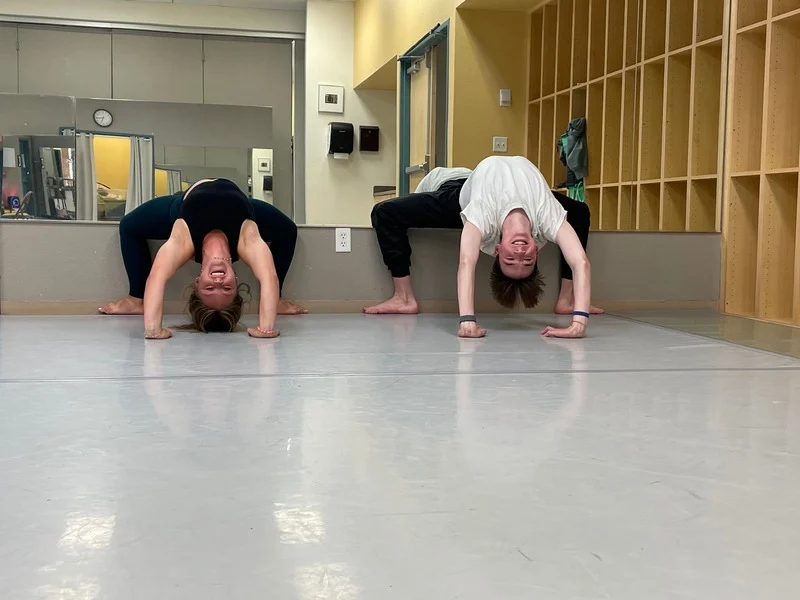
Stretch & Conditioning is a non-performance class designed to support both ground dancers and aerialists. Students develop the strength, stability, mobility and stamina that support more controlled and powerful movement in their regular classes.
Class may include bodyweight exercises, resistance training, core work, balance exercises, active flexibility and dynamic stretching. Instructors emphasize body awareness, alignment and controlled technique rather than forcing flexibility or simply completing as many repetitions as possible.
Students may work on:
- Core, leg, back and upper-body strength
- Balance, stability and muscular endurance
- Active flexibility and usable range of motion
- Alignment, posture and body awareness
- Cross-training that supports dance and aerial technique
All levels are welcome unless the individual class listing states otherwise. This class is a helpful addition to a dancer’s or aerialist’s regular weekly training.
Tap at Weehawken
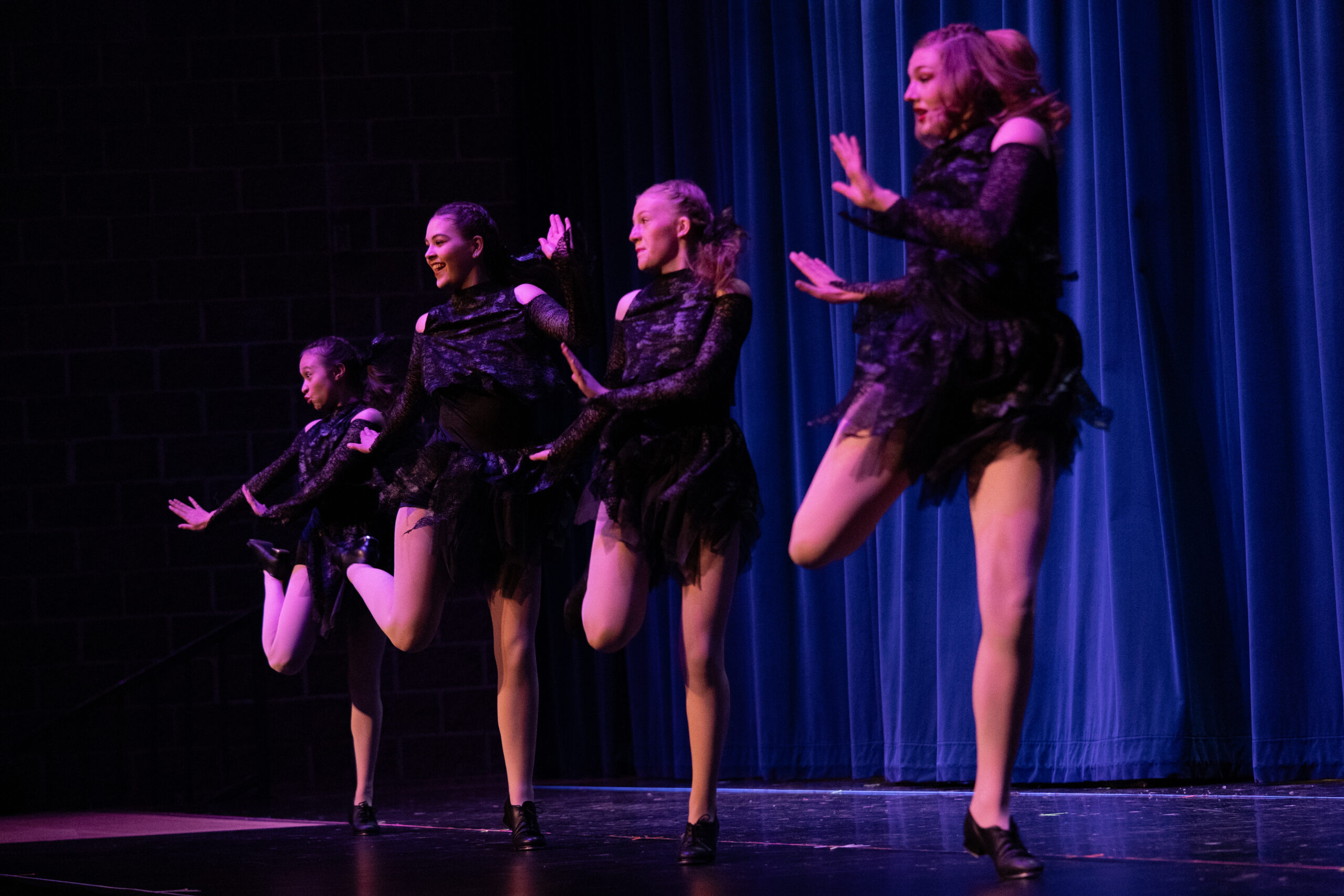
Tap turns a dancer’s feet into a musical instrument. Students learn to create clear sounds, rhythms and patterns while developing coordination, musicality, timing and individual style.
Beginning dancers learn foundational tap vocabulary and how to shift weight clearly and efficiently. As students progress, they work with more detailed rhythms, faster combinations, syncopation, improvisation and styles ranging from Broadway tap to contemporary rhythm tap.
Tap training may include:
- Foundational steps and tap vocabulary
- Rhythm, timing and musicality
- Weight shifts, coordination and balance
- Clarity, speed and syncopation
- Combinations, improvisation and showmanship
Tap classes are offered for beginning through advanced dancers. Some classes combine tap with jazz for younger students, while higher-level classes allow dancers to focus more deeply on tap technique and musicality.
What to wear: Dancewear or comfortable athletic clothing. No jeans. Students need black tap shoes in any brand or style. Weehawken has a limited supply of used tap shoes that students may borrow for the semester when an appropriate size is available.
Turns & Leaps
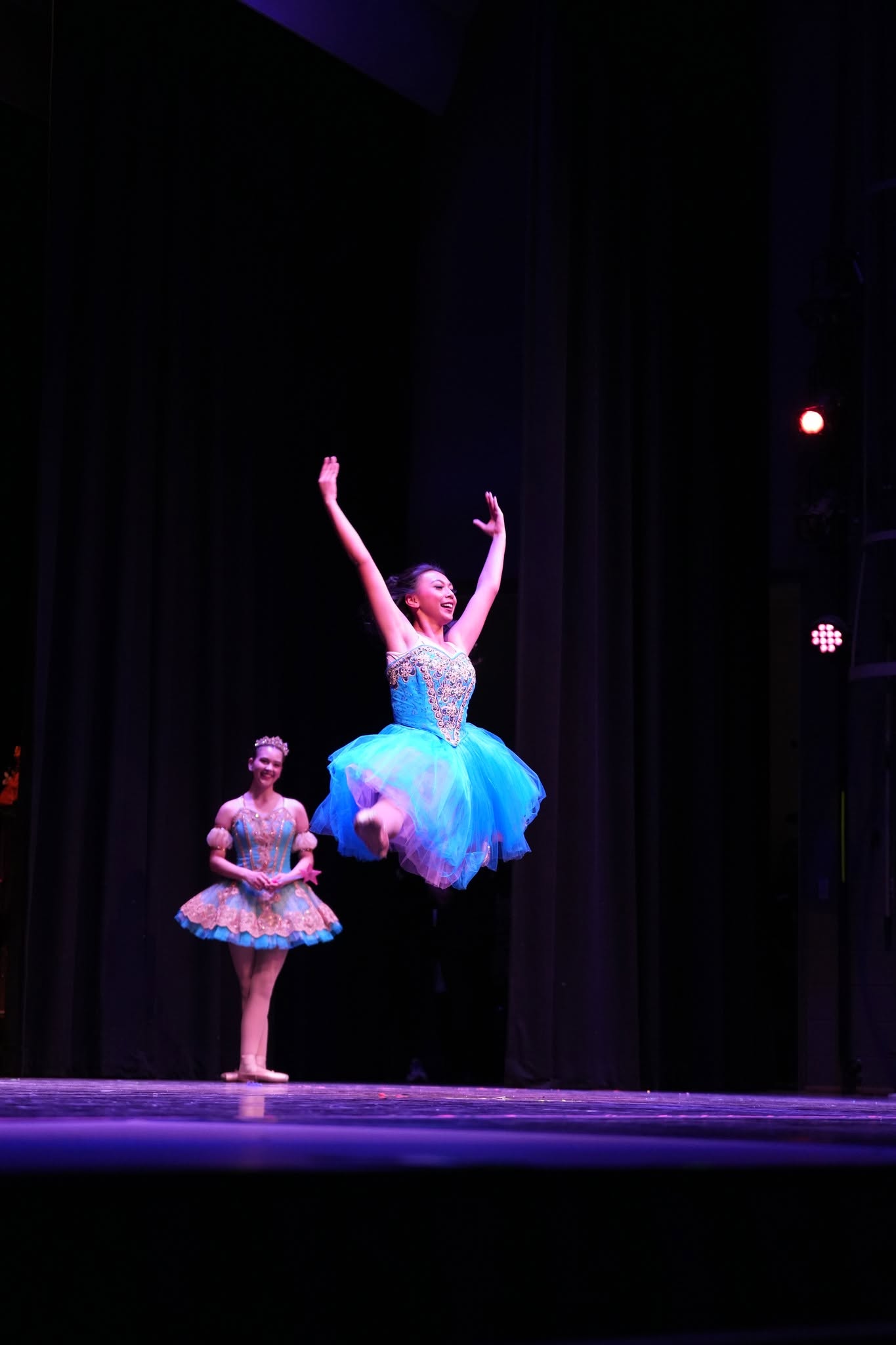
Turns & Leaps is a focused technique class for dancers who want to improve the strength, alignment and coordination needed for cleaner turns and more powerful jumps and leaps.
Students break skills into manageable progressions before applying them to traveling combinations and choreography. Training emphasizes strong preparation, correct placement, controlled landings and the ability to use technique consistently—not simply completing the most rotations or achieving the greatest height.
Students may work on:
- Ankle, leg and core strength
- Balance, spotting and turning alignment
- Jump preparation and controlled landings
- Flexibility, extension and range of motion
- Single and multiple turns
- Leaps, jumps and traveling combinations
Prior jazz or ballet experience is recommended because this class builds on technique introduced in regular dance classes. Turns & Leaps is valuable cross-training, but it does not replace a dancer’s regular jazz or ballet class.
Students may also apply these skills artistically through choreography and performances when the class is scheduled as a performance class. Check the individual class listing for age and experience requirements.
What to wear: Dancewear or comfortable athletic clothing. No jeans. Students should be prepared to work barefoot and should bring black jazz shoes and/or pink or skin-tone ballet shoes. Hair must be secured away from the face.
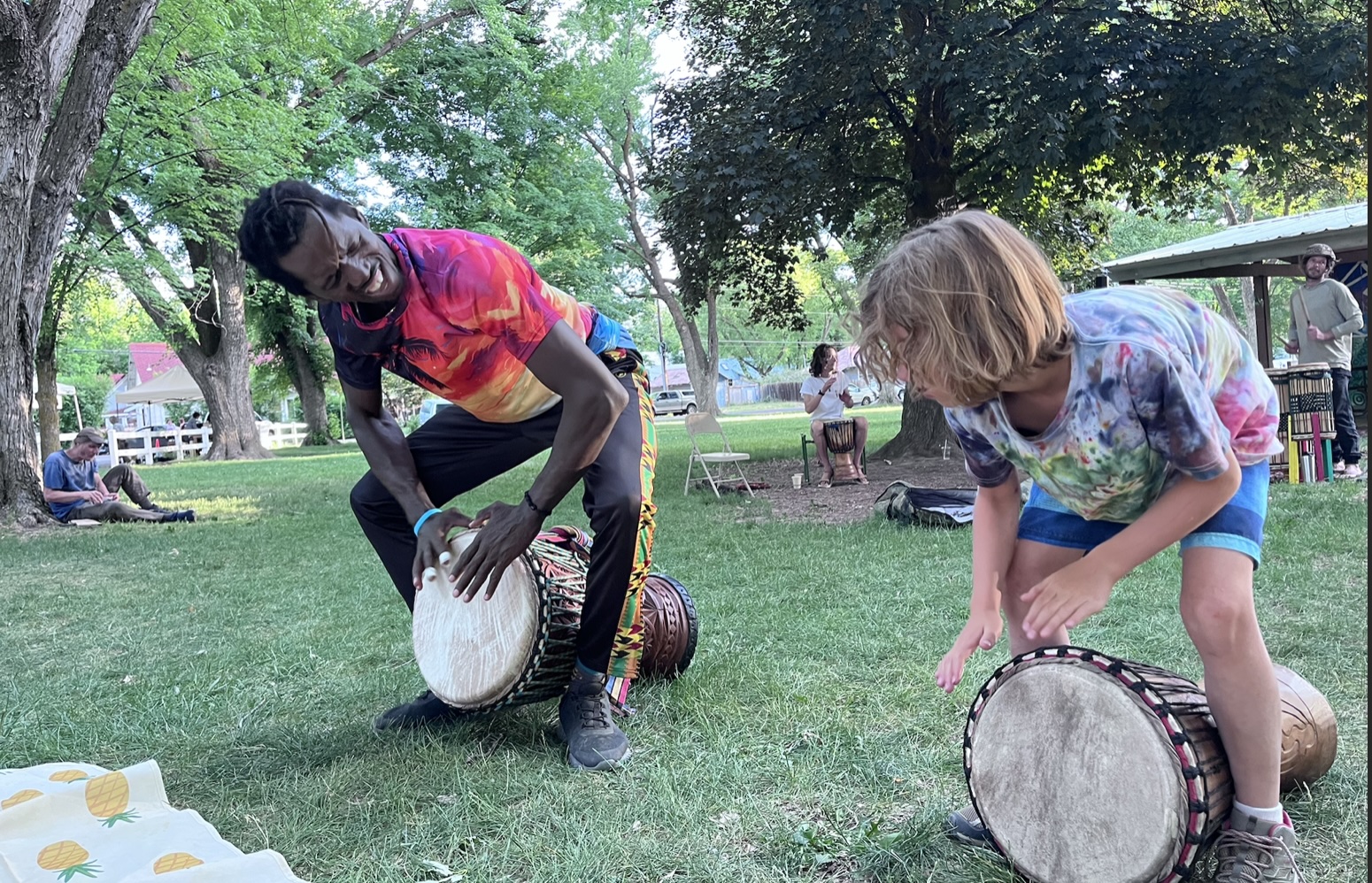
Beat & Step: West African Dance, Drum & Body Percussion
Beat & Step is an energetic, interactive class that brings together West African dance, traditional drumming and body percussion. Students experience movement and music as connected forms of communication, storytelling and community.
Students learn dance combinations, explore drumming rhythms and create music using their hands, feet, bodies, voices and drums. The class builds rhythm, coordination, musicality, memory, confidence and teamwork while introducing students to the rich cultural traditions behind the movement and music.
Students may explore:
- Traditional West African dance movements
- Drumming rhythms and musical patterns
- Body percussion using hands, feet and voice
- Coordination, rhythm and musicality
- Storytelling, teamwork and community
About the Instructor
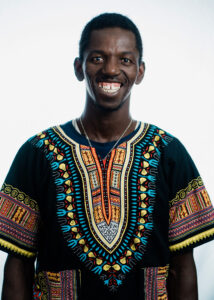
This class is taught by Etienne Tolno, who grew up in Guinea, West Africa, and has performed and taught West African music and dance professionally. He brings warmth, joy and direct cultural knowledge to the classroom.
No previous dance or music experience is required—just curiosity, energy and a willingness to participate. Students enrolled in this performance class will share what they have learned in Weehawken’s winter production.
What to wear: Comfortable clothing that allows plenty of movement, such as a T-shirt with leggings, athletic pants or shorts. Avoid jeans and restrictive clothing. Wear clean athletic shoes or sneakers reserved for indoor class.
Your Next Step
Ready to Find the Right Class?
Now that you know what each style offers, use the guides below to find an appropriate age group, level and class.
Still Not Sure?
You do not have to figure it out alone. Tell us your dancer’s age, interests and previous experience, and our team will help you choose.